
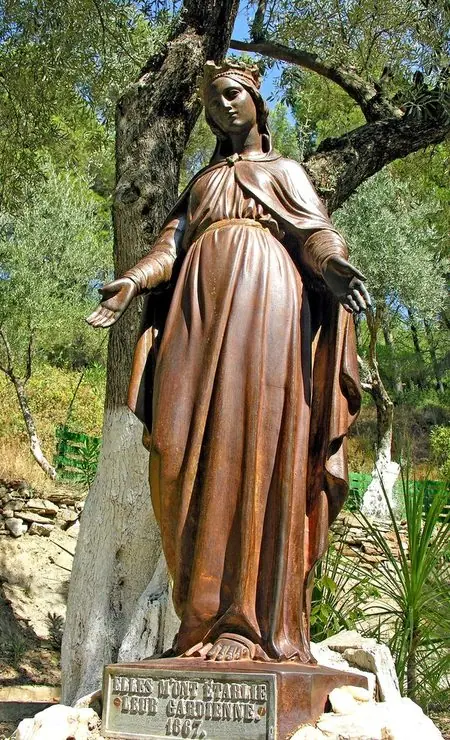
John 19:26–27 — "Behold Thy Mother"
The sentence from the cross that the whole John-and-Mary-in-Ephesus tradition grows from.
Five books of the New Testament touch this city. Here is every passage — the full text, its story, and the exact spot in the ruins where it comes alive.
One sentence from the cross — the verse from which the whole Ephesus tradition of John and Mary grows.
The sentence from the cross that the whole John-and-Mary-in-Ephesus tradition grows from.
Luke's eyewitness-grade account of the gospel's Ephesus years — arrival, teaching, book fire, riot and farewell.
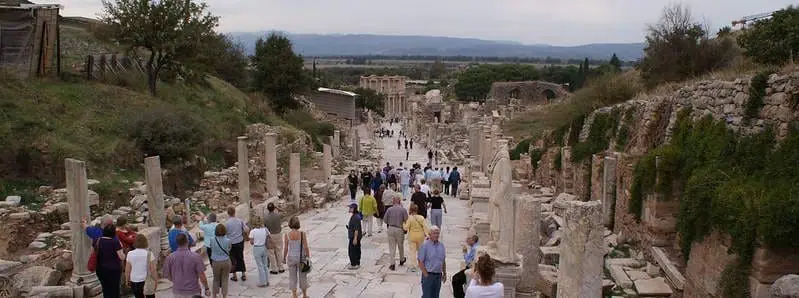
Paul's first arrival in the city — a brief visit, a synagogue debate, and a promise to return.
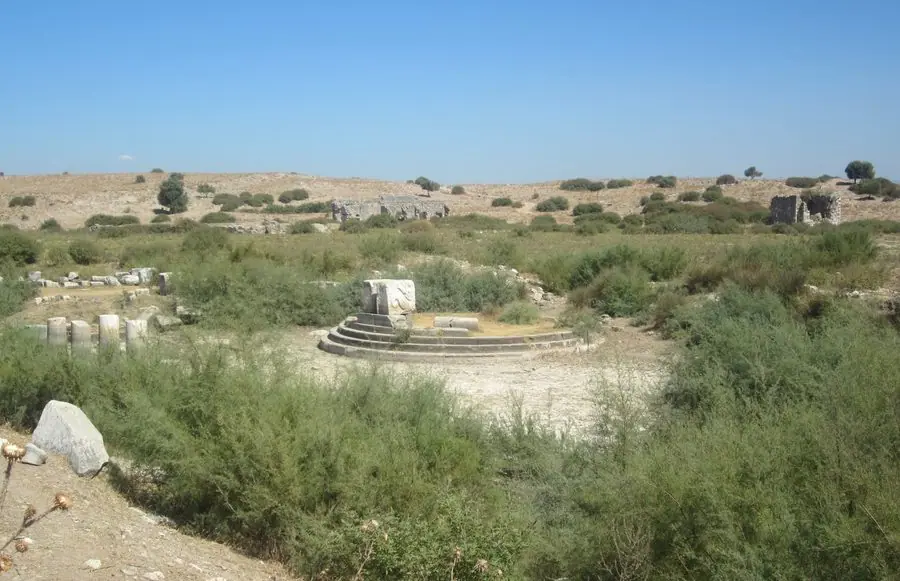
The farewell promise — "if God will" — and the sailing that set up the great return.
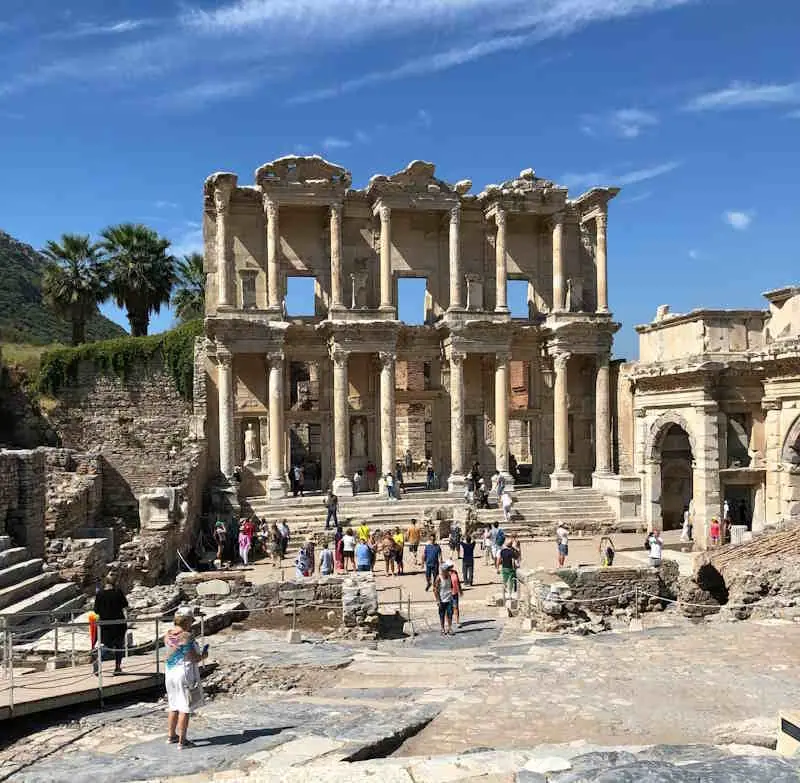
The eloquent Alexandrian who knew only John's baptism — completed in the faith at Ephesus.
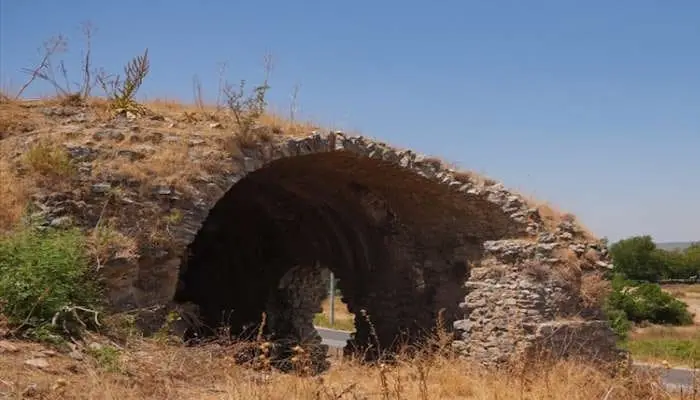
The overland return that opens the great Ephesus chapter of Acts.

Three synagogue months, two classroom years — the engine room of the whole Ephesus mission.
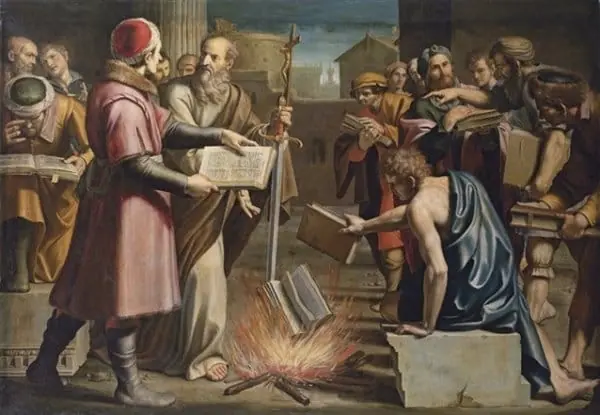
The Sceva affair and its aftermath — when the name of Jesus was magnified in the city of magic.
Fifty thousand pieces of silver in flames — the freest bonfire in history, lit by the owners themselves.
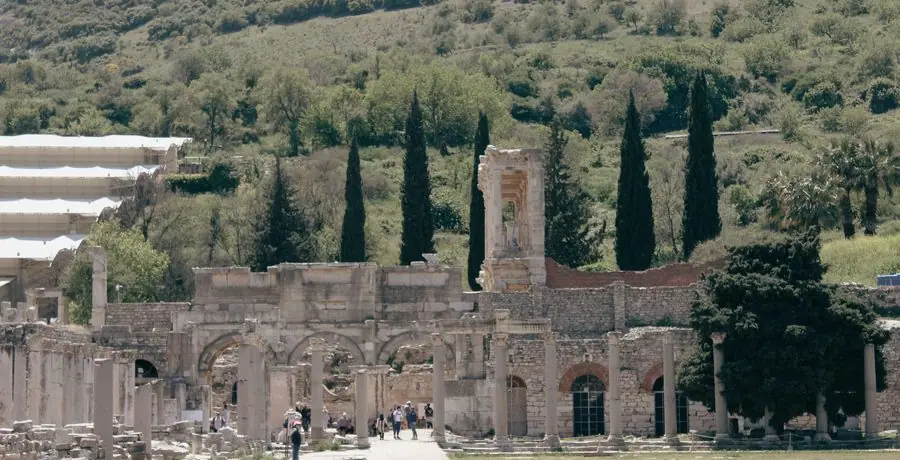
Demetrius's furious summary of Paul's message — the hostile witness who proves the case.
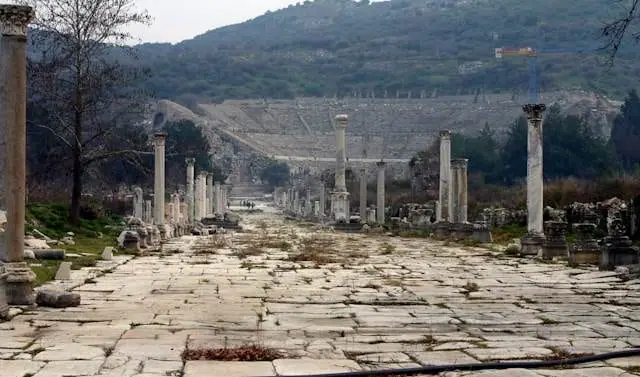
The war-cry of the riot — born in a guild meeting, roared by a whole city.
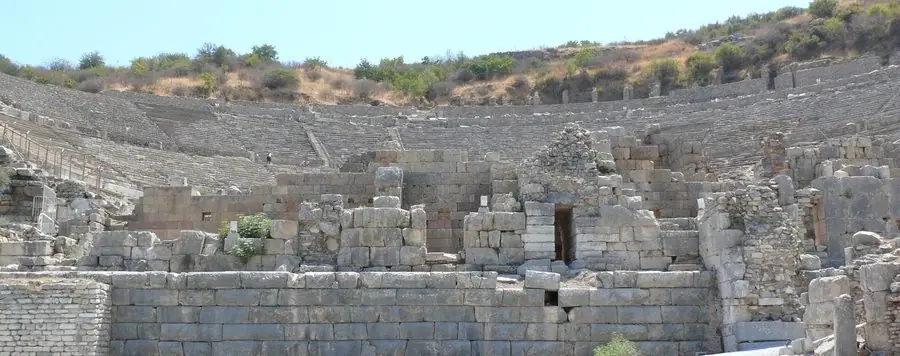
The timed detail of the riot — one sentence, one voice, two hours.
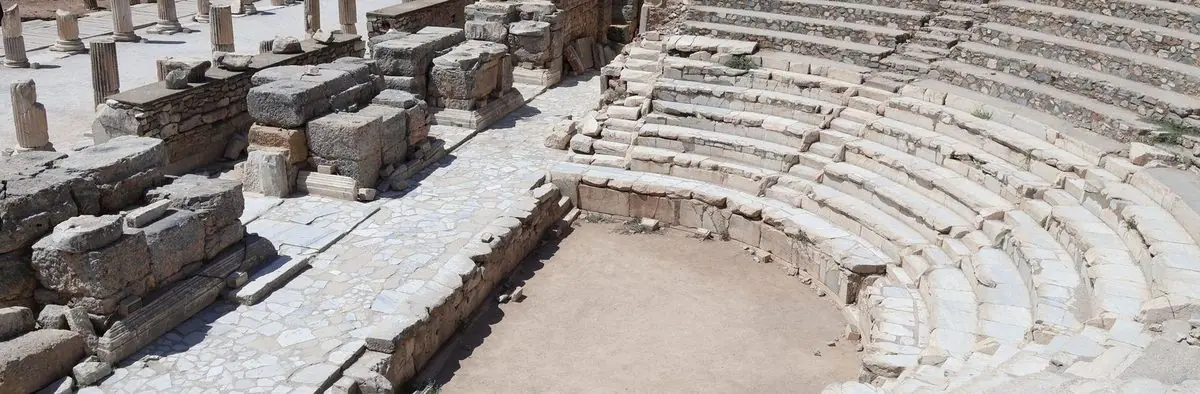
The coolest head in Acts — and a job title confirmed by Ephesian inscriptions.
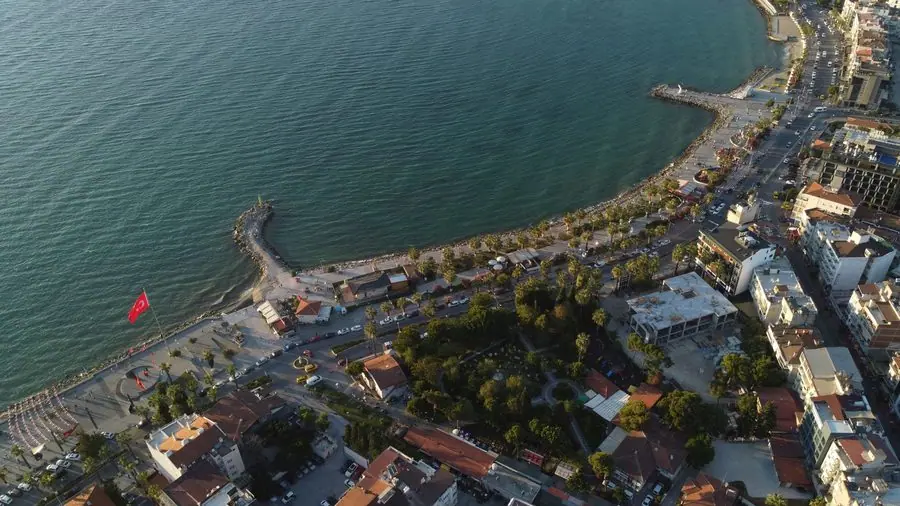
Why Paul deliberately sailed past the city he loved — an itinerary with an ache inside it.
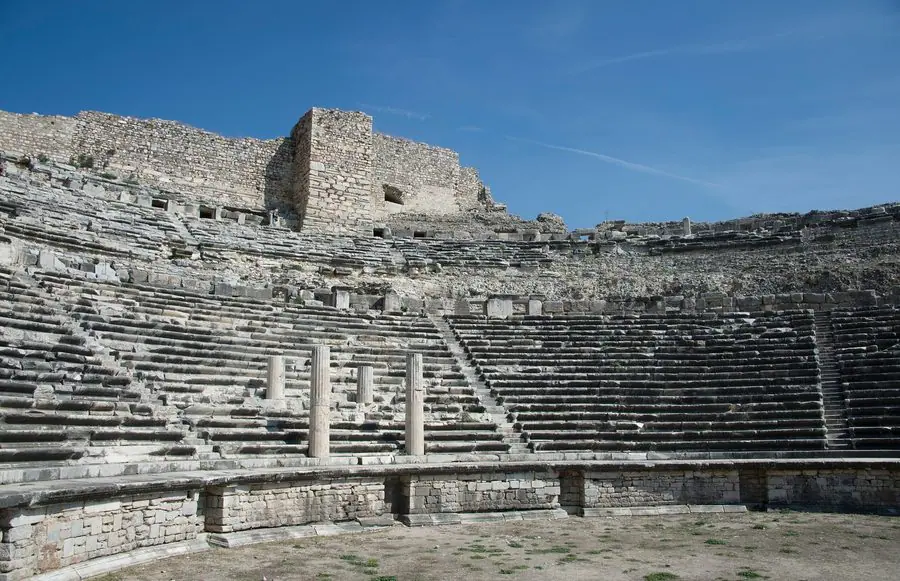
The summons that gathered Ephesus's shepherds for Paul's tenderest farewell.
The charge to Ephesus's pastors — feed the flock, watch for wolves — and history's grade on it.
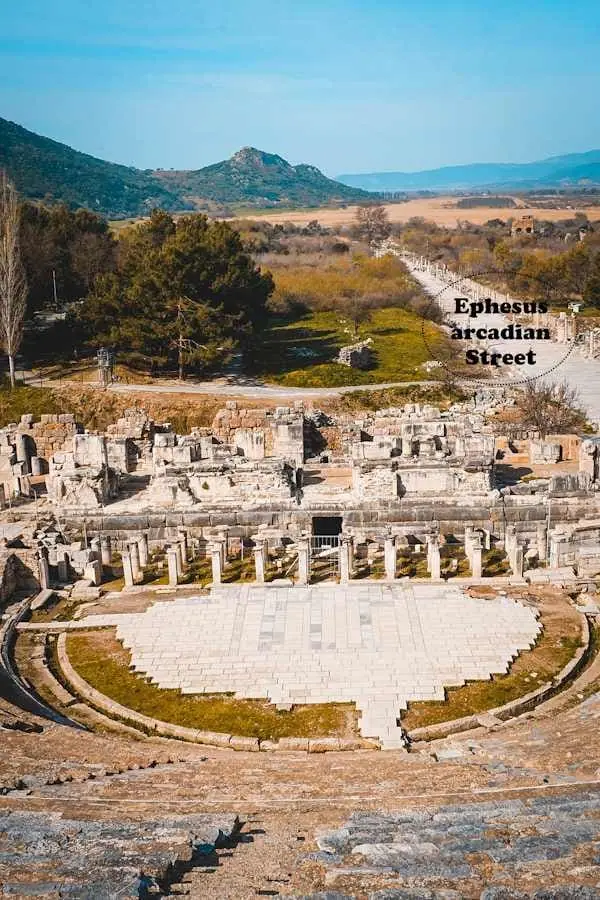
The Ephesian whose mere presence in Jerusalem sparked Paul's arrest — history in a parenthesis.
Paul wrote 1 Corinthians in this city — and looked back on its darkest hour in 2 Corinthians.
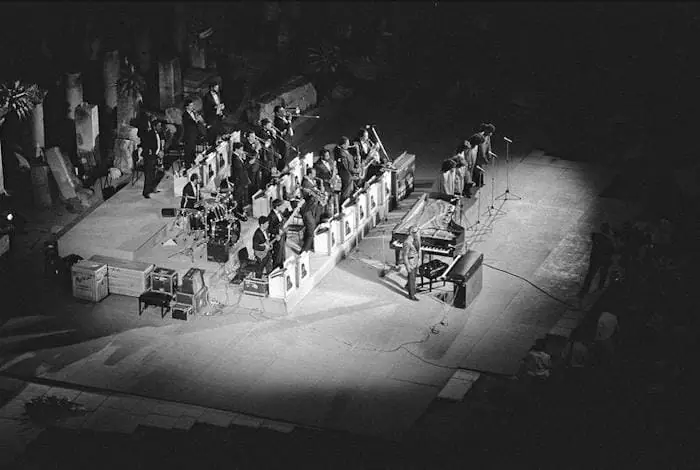
Literal arena or ferocious metaphor? Paul's "beasts at Ephesus," honestly weighed.
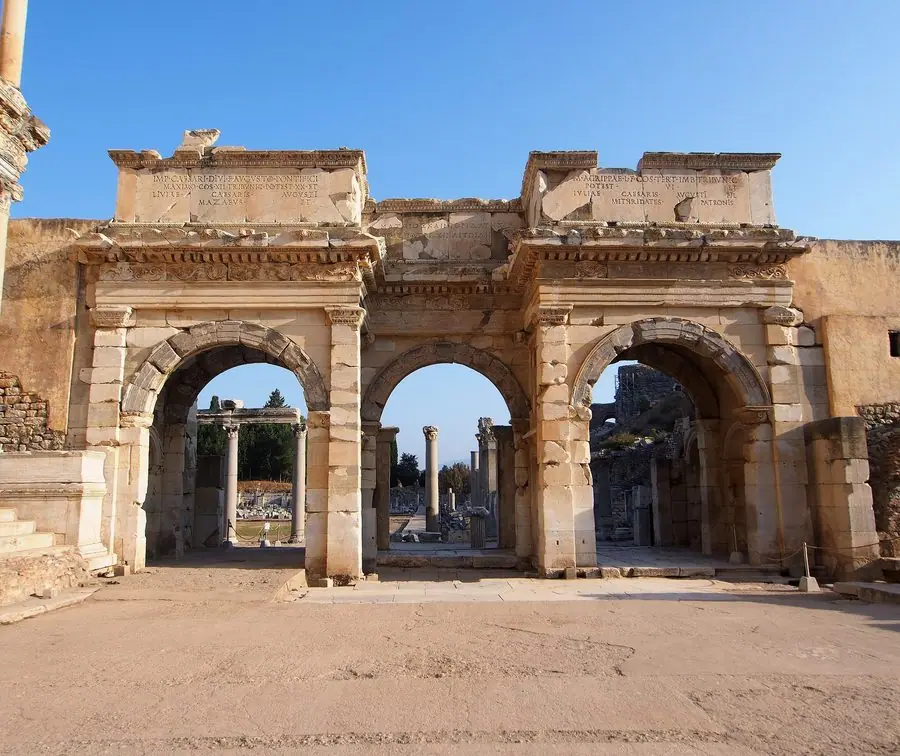
The letter's Ephesian postmark — an open door, and adversaries as a reason to stay.

Greetings from Ephesus — and the verse that shows what the first church here actually was: a home.
The unnamed crisis of the Ephesus years — "we despaired even of life" — and what it taught Paul.
A whole book of the Bible carrying the city's name — its greatest prayers, page by page.

The envelope of a biblical book — who Ephesus's "saints" actually were.
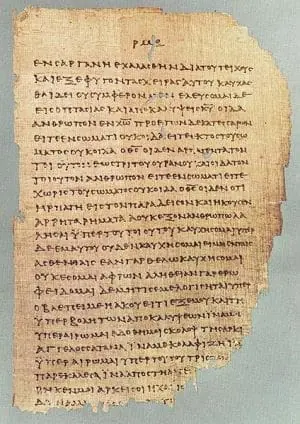
The prayer for enlightened eyes — and power above every named power of Ephesus.
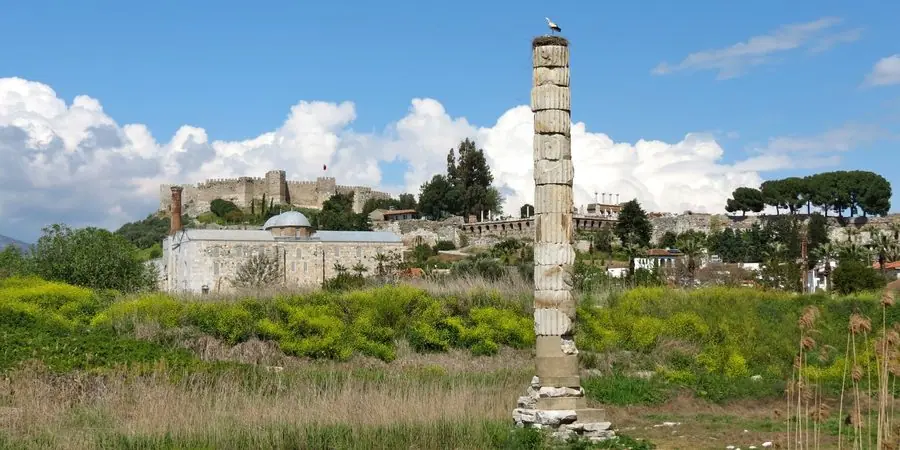
The daring image sent to the temple-keeping city: the true sanctuary is the congregation itself.
A prayer in an architect's vocabulary — for the city that built a Wonder.
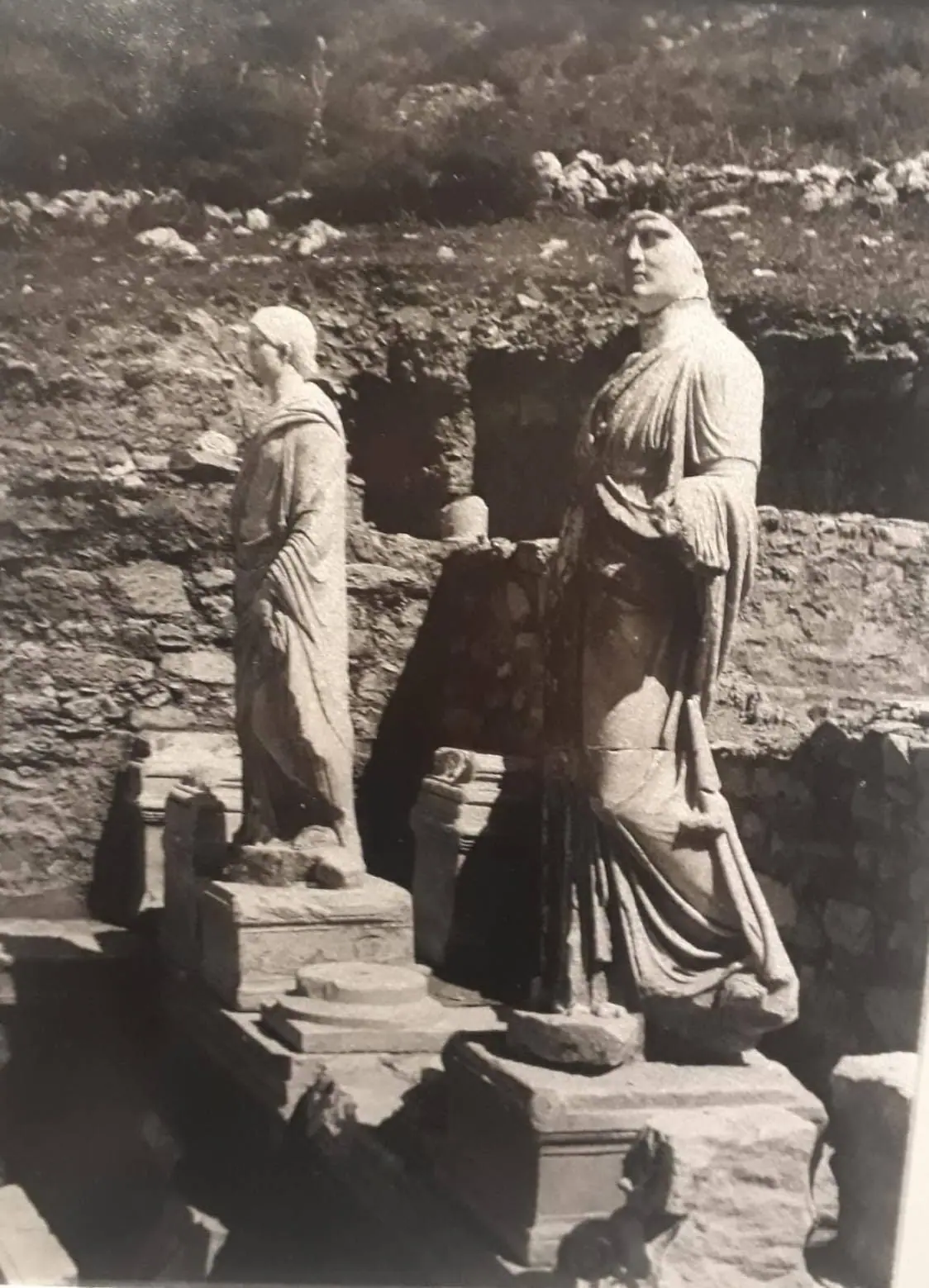
Every saint a builder — the construction-site theology of Ephesians 4.
The armor of God, written by a man chained to a Roman soldier — to a city that knew the kit by sight.
Two epistles addressed to the young bishop Paul stationed in Ephesus.
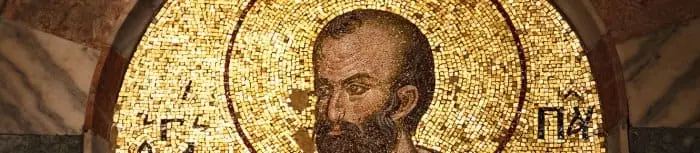
The sentence that stationed Timothy in Ephesus — and gave the Bible two more books.
The Ephesian who was not ashamed of Paul's chain — remembered from death row.
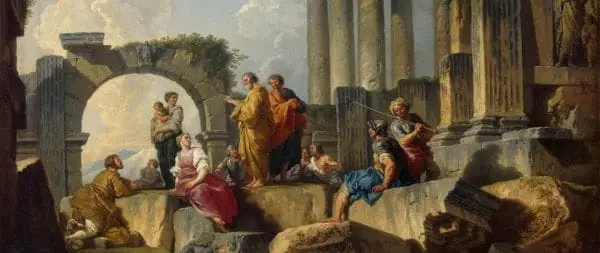
The Bible's final mention of Ephesus — a courier sent, old friends greeted, a sick companion remembered.
From Patmos, just off this coast: Ephesus heads the list of the seven churches — and receives the first letter.

Why Ephesus heads the list of the seven churches — geography, primacy and a courier's route.
The decoded vision — candlesticks are churches, stars their angels — and Ephesus is the first lamp.
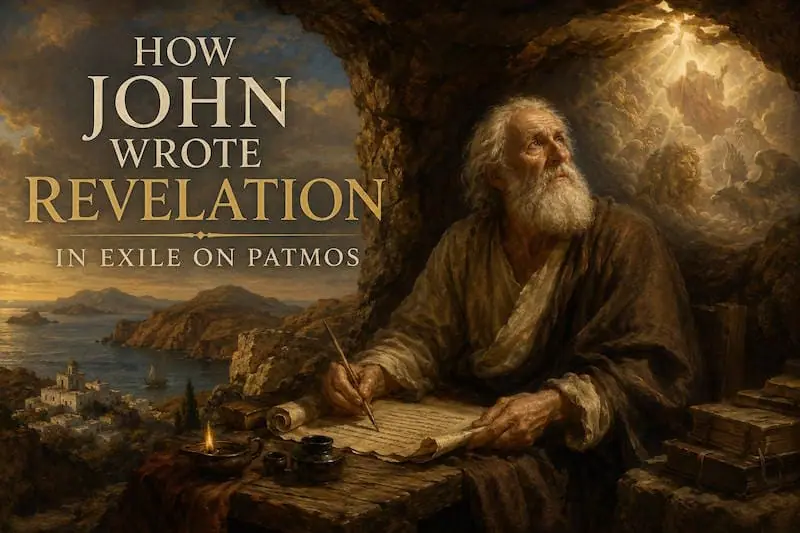
Praise, a wound named, and Eden promised — the whole letter, read in its own city.
The name Ephesus or Ephesian appears around twenty times across the New Testament, spread over five books: Acts, 1 and 2 Corinthians, Ephesians, 1 and 2 Timothy, and Revelation. Counts differ slightly between translations because some verses name the city and others name its people. We have given every one of those passages its own page, listed above.
They are related but not the same word. Ephesus is the city; Ephesians are the people who lived there; and Ephesians is the New Testament letter addressed to the church in that city. So Paul wrote to the Ephesians, who lived at Ephesus — one place, one people, one epistle.
No. Ephesus appears only in the New Testament. The city existed for centuries before Christ, but it lay outside the world the Hebrew scriptures describe. Its biblical story begins in Acts 18, when Paul steps ashore for the first time.
Four things above all. Paul taught here for over two years and wrote 1 Corinthians from the city. A public burning of magic books followed his preaching. The silversmiths of Artemis started a riot that filled the 25,000-seat theater. And decades later, John addressed the first of the seven letters of Revelation to the church here — praising its endurance but warning that it had left its first love.
No. The Gospels place Jesus's ministry in Judea and Galilee, and no biblical or early source suggests he crossed to Asia Minor. The Ephesus connection is through those close to him: Paul, John, and — by a tradition reaching back to at least the fifth century — his mother Mary.
EFF-uh-suss, with the stress firmly on the first syllable and a soft "s" at the end. Not "ee-FEE-sus". In Turkish it is Efes, pronounced EH-fess — which is also, as every visitor discovers, the name of the national beer.
In western Turkey, beside the town of Selcuk in Izmir province, about 20–30 minutes inland from the port of Kusadasi. The site is uninhabited ruins and open to visitors every day of the year. The ancient harbor is now a reed-filled plain three miles from the sea.
Paul wrote 1 Corinthians while living in Ephesus. The Letter to the Ephesians was written to the church there, most likely from prison in Rome. Both letters to Timothy were sent to him while he served in Ephesus, and the first of Revelation's seven letters is addressed to the Ephesian church. A strong early tradition also places the writing of John's Gospel in or near the city.
On every tour, your guide reads the passages aloud at their own locations — the theater, the agora, the Evangelist's tomb. Scripture was written on location; it is best read there too.
TÜRSAB license No. 15746No prepayment to inquireFree cancellationSkip-the-line entrance included