
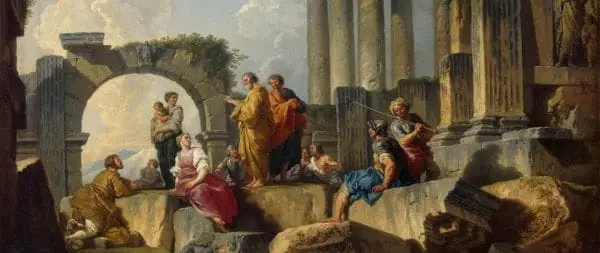
The Apostle Paul in Ephesus
The longest stop of all Paul's journeys — synagogue, school, book fire and riot, told in full.
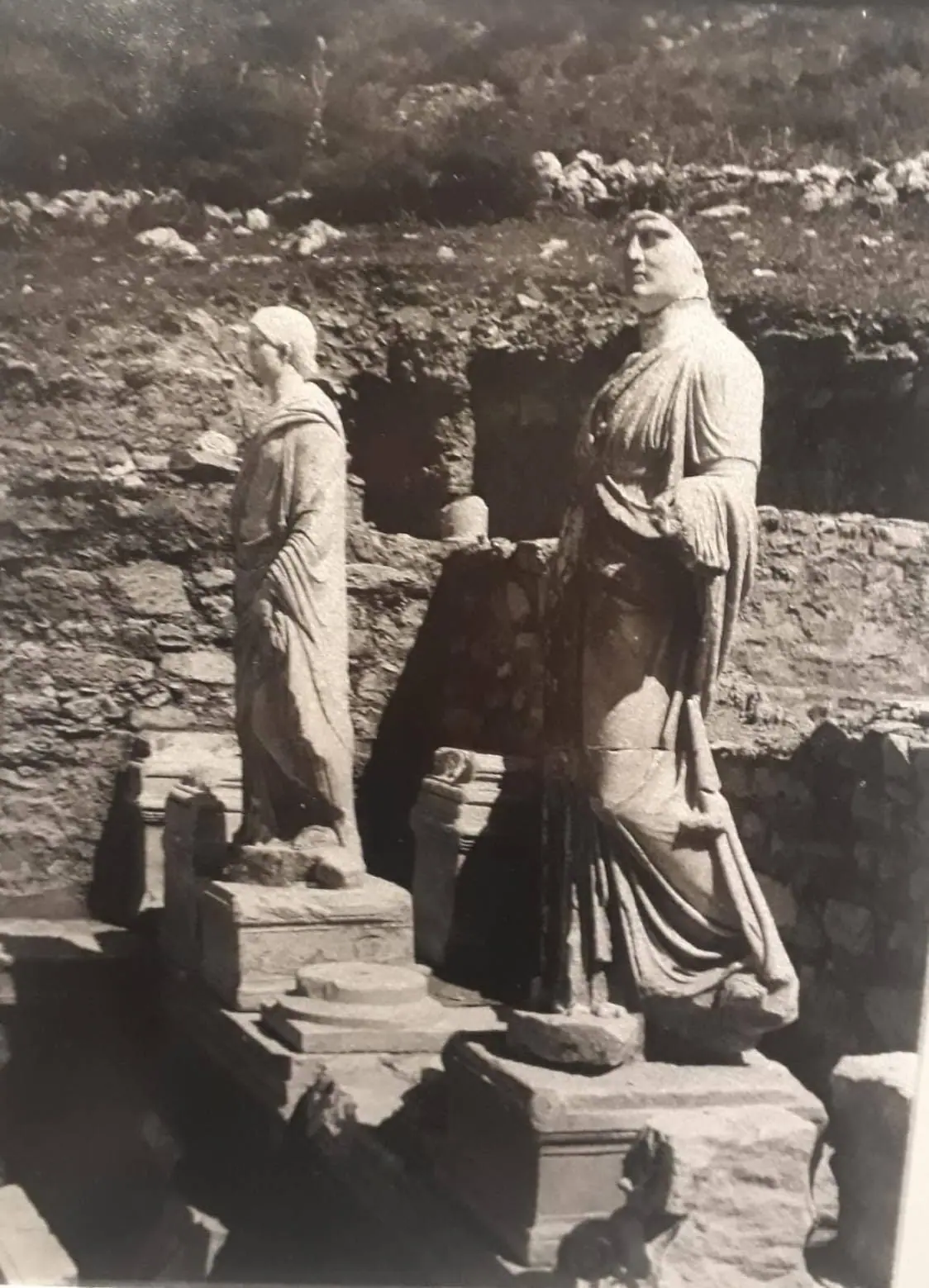
The saints who walked here, the riots and councils that shook here, the legends that grew here — the full stories behind the sites.
The men and women of the New Testament whose lives ran through this city.
The longest stop of all Paul's journeys — synagogue, school, book fire and riot, told in full.
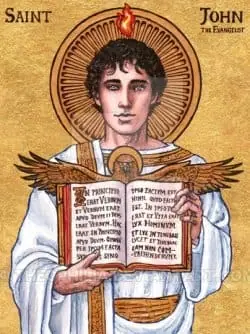
The tradition that brought the beloved disciple and the mother of Jesus to Ephesus — examined with love and honesty.
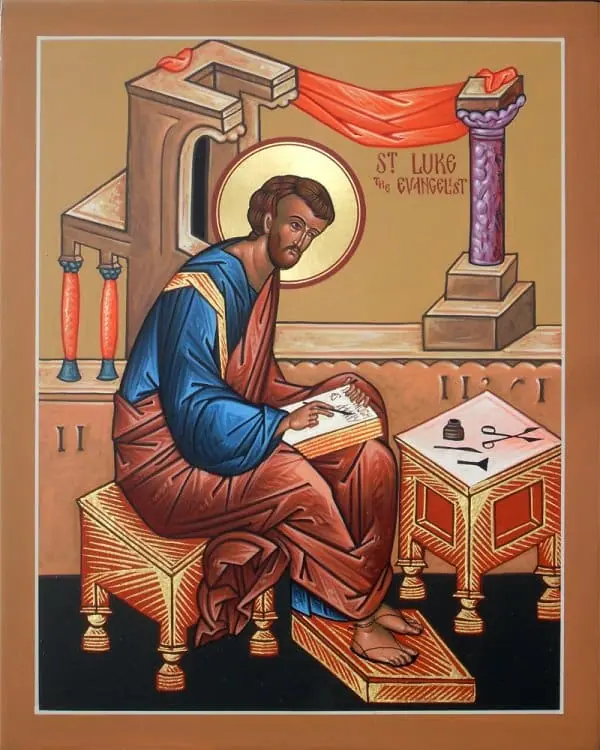
The physician who wrote Acts — his voyages past this coast and the Ephesus monument bearing his name.
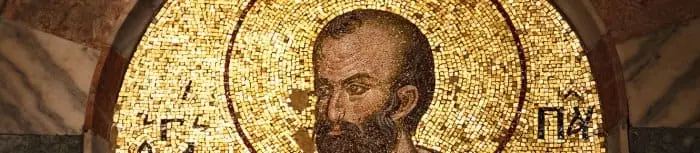
Paul's dearest co-worker, left to lead the Ephesian church — and the two biblical letters sent to him here.
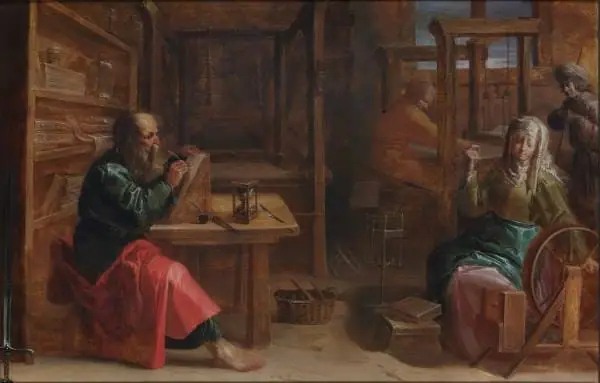
The tentmaking couple whose living room was the first church of Ephesus — and who gently corrected Apollos.
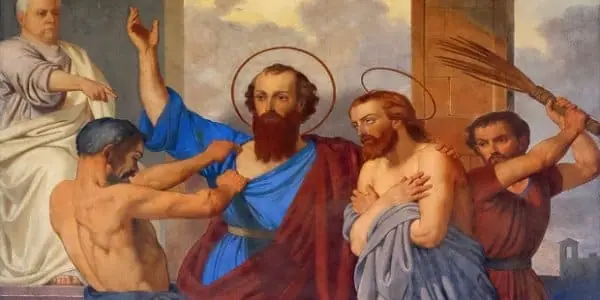
Prophet, citizen, midnight singer — and a genuine historical puzzle: did Silas serve in Ephesus?
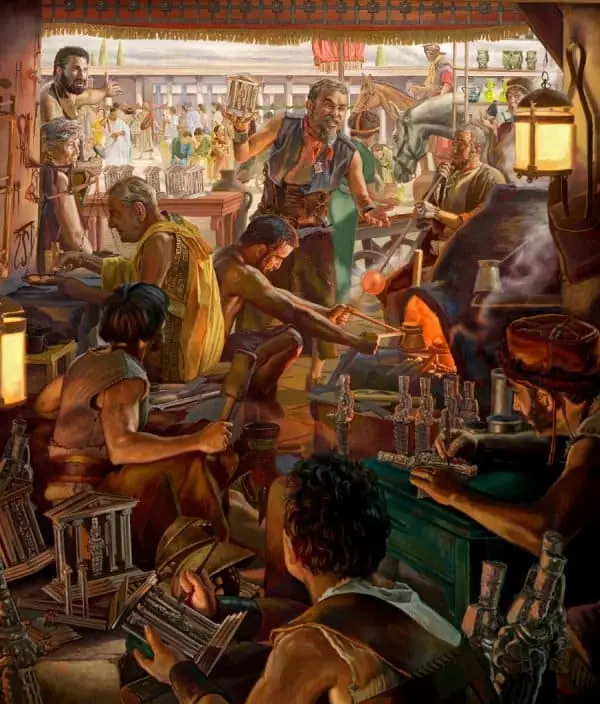
The guild leader whose speech — half piety, half profit — set the great theater roaring against Paul.
The days when the whole Christian world looked at Ephesus.
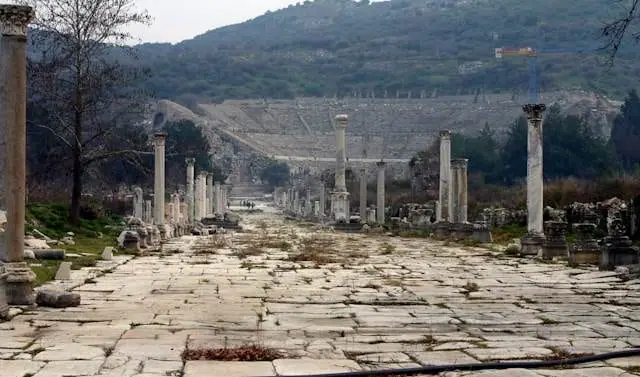
The gospel's most cinematic crowd scene, reconstructed scene by scene in the theater where it roared.
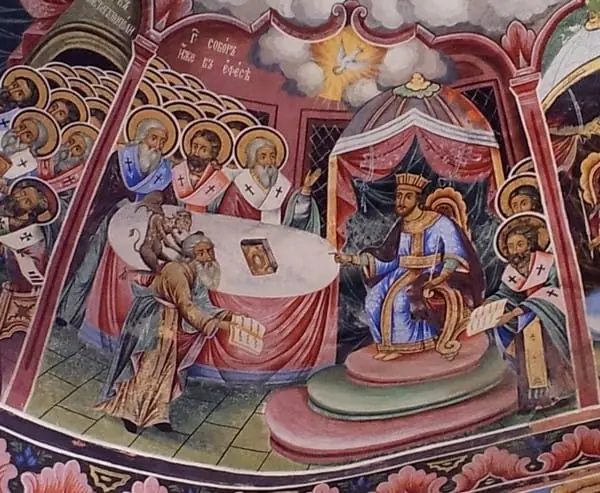
Cyril, Nestorius, rival assemblies and a torchlight procession — the council that named Mary God-bearer.
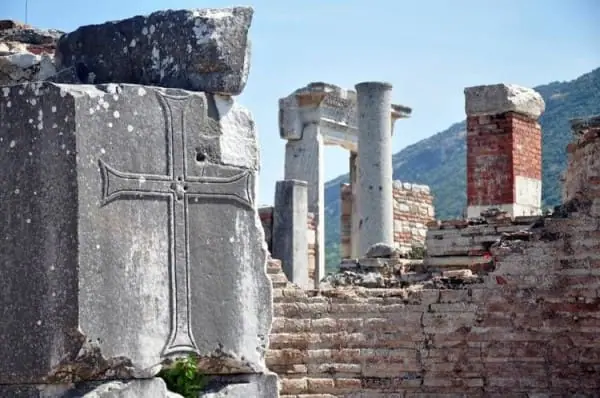
The council of 449 that went infamously wrong — and provoked Chalcedon two years later.
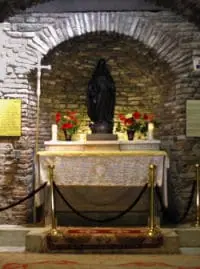
How the city of Artemis became a city of basilicas — the three-century conversion, told in stone.
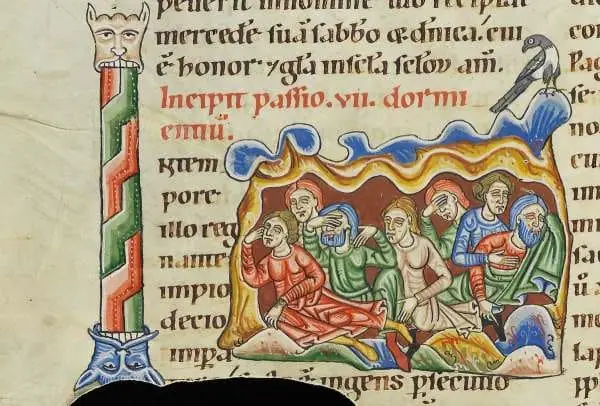
The full tale of the sleepers — persecution, the sealed cave, the outdated coin, and the story's journey into the Quran.
From house churches to councils to silence — the whole arc of the Ephesian church, and what the candlestick warning really meant.
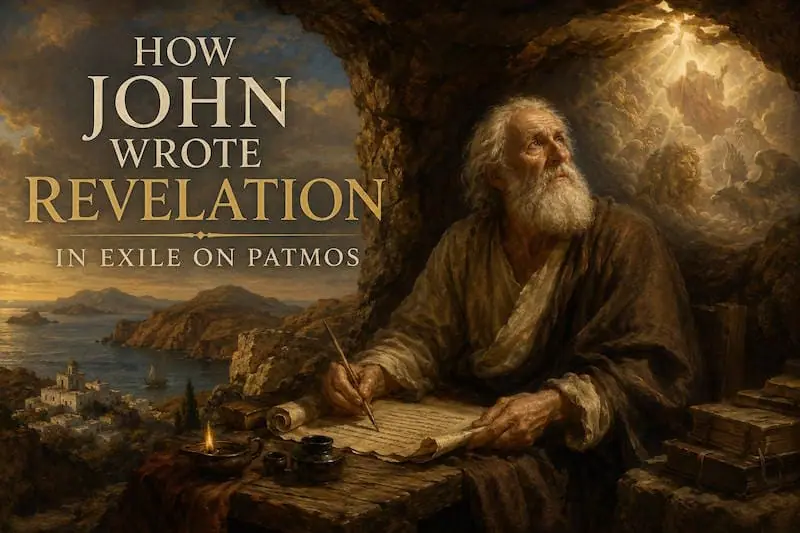
John in Ephesus and on Patmos, seven letters, seven cities — what each church was, and what a pilgrim finds there today.
About three years, longer than anywhere else on his journeys. Acts 19 counts three months in the synagogue followed by two years of daily teaching in the hall of Tyrannus, and in his farewell to the Ephesian elders Paul speaks of three years among them (Acts 20:31). The stay falls roughly between AD 52 and 55.
Because more of the New Testament runs through it than through any city except Jerusalem and Antioch. Paul based his Asian mission here for three years and wrote 1 Corinthians from it. A letter of the canon carries the city's name. Both letters to Timothy were sent here. Revelation's first letter is addressed to its church. And the strongest early traditions place John's later life, his Gospel and Mary's final years in or beside the city.
It thrived for centuries — hosting the Council of 431 that declared Mary Theotokos — then declined with the city itself. The harbor silted up, the population drifted to the hill around St John's basilica and later to Selcuk, and earthquakes, malaria and Arab raids finished the work. By the fifteenth century the great city was empty. The church of Revelation 2:5, warned that its lampstand could be removed, was in the end removed with its city.
Early tradition says so, and it is old and consistent: Irenaeus, writing in the second century and claiming a line back to Polycarp who knew John, places the Evangelist at Ephesus into the reign of Trajan. Modern scholarship is divided about authorship, but the Ephesian connection itself is among the better-attested traditions of the early church — and his tomb has been venerated on Ayasuluk Hill since antiquity.
The craftsman who started the riot of Acts 19. He made silver shrines of Artemis, saw Paul's preaching threatening both the trade and the goddess, and gathered his fellow workers with an argument that mixed piety and profit. The resulting crowd filled the theater and chanted "Great is Artemis of the Ephesians!" for two hours before the town clerk dispersed them.
Every article on this page becomes a place you can stand on our tours — with a guide who tells it from memory, and from the heart.
TÜRSAB license No. 15746No prepayment to inquireFree cancellationSkip-the-line entrance included