
Homeward bound on his last free voyage, Paul makes a decision every traveler with a tight connection understands and none enjoys: he skips the stop that matters most. Ephesus meant three years of his life — and precisely for that reason, a visit could not be brief. Friends, converts, controversies, tears: "he would not spend the time." The ship holds its course past the great harbor.
The compromise at Miletus
But Paul being Paul, he half-relents: from Miletus, fifty kilometers on, he sends for the elders of Ephesus (20:17) — and gives them the most personal speech in Acts. He knows what the bypass means: "ye all... shall see my face no more" (20:38 with 20:25). The detour he refused for efficiency, he grants for love; they weep on his neck at the shore. The verse's dry travel logic sets up the New Testament's tenderest goodbye.
Standing in the verse
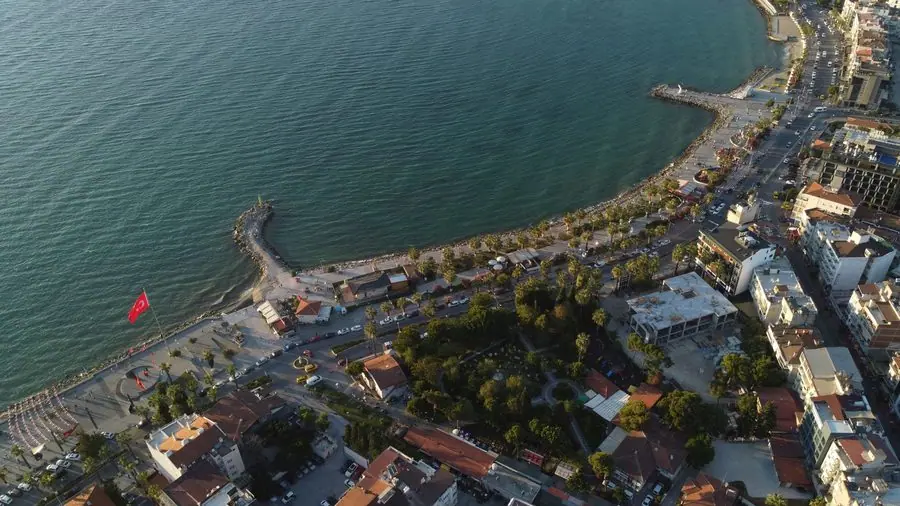
From the heights above Kusadasi you look over exactly the waters his ship crossed that week — Chios, Samos, the strait, the long coast toward Miletus (Acts 20:15). Our tailor-made itineraries can extend to Miletus itself, where the farewell speech was given; reading it in that theater's quiet is one of this coast's great experiences.
Sources & further reading
- Acts 20:13–17 (KJV) — Bible Gateway — read the passage in context
- Britannica: Miletus — the city of the farewell