
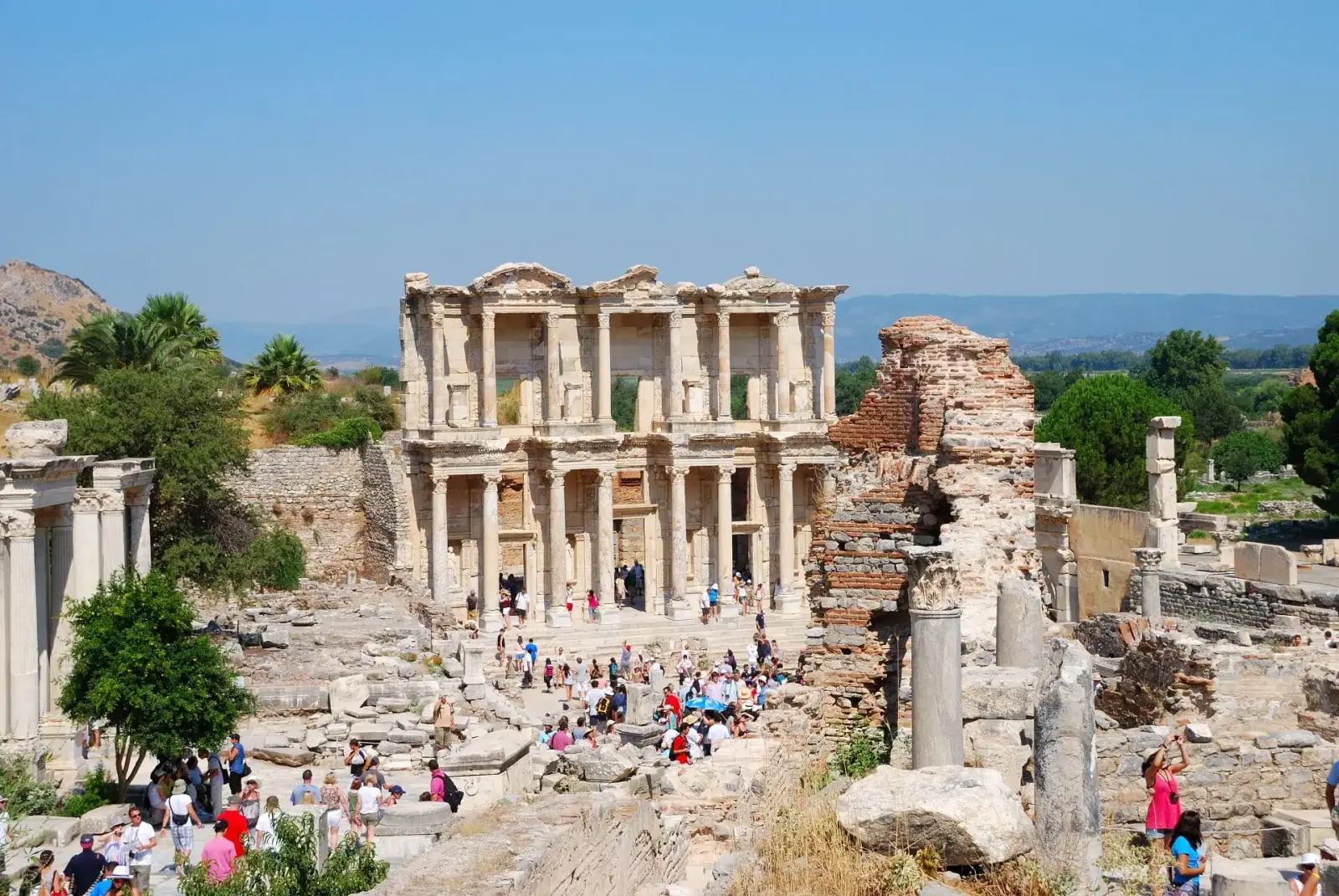
Ephesus Ancient City
The great city of Acts 19 — theater, library, agora and marble avenues, all walkable today.
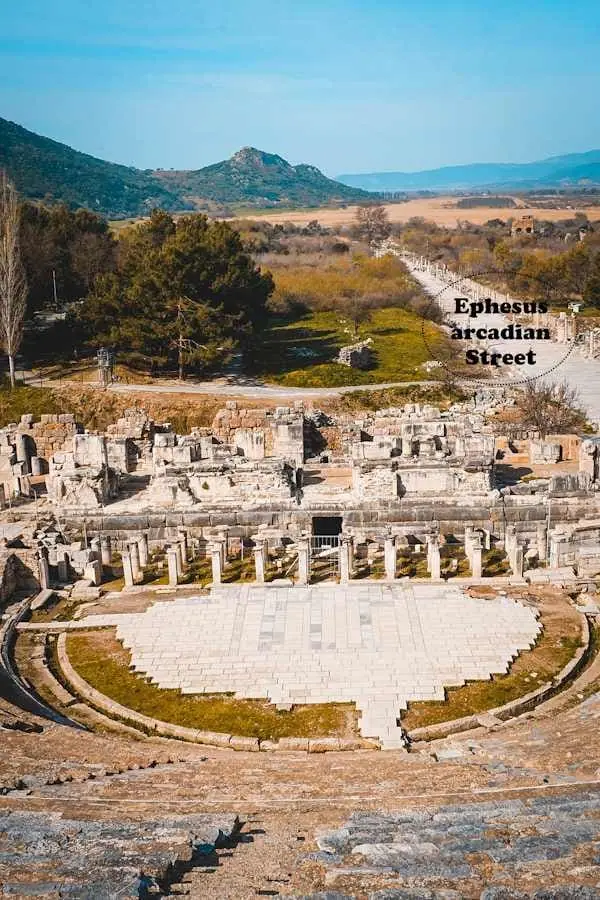
From the theater where a city chanted against Paul to the hillside house tradition gives to Mary — every holy place in the valley, told honestly and in full.
The monuments of the marble city itself — each one connected to its chapter and verse.
The great city of Acts 19 — theater, library, agora and marble avenues, all walkable today.
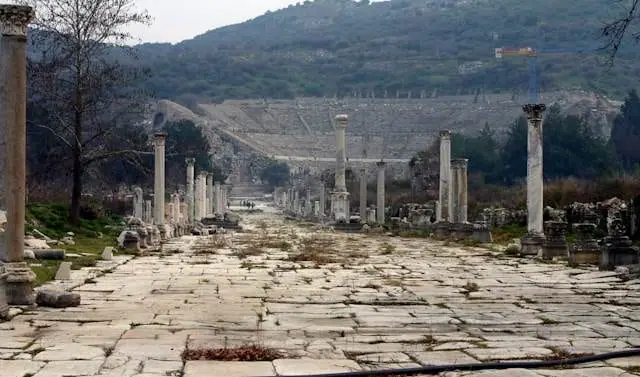
The vast theater where the riot of Acts 19 roared "Great is Artemis of the Ephesians!"
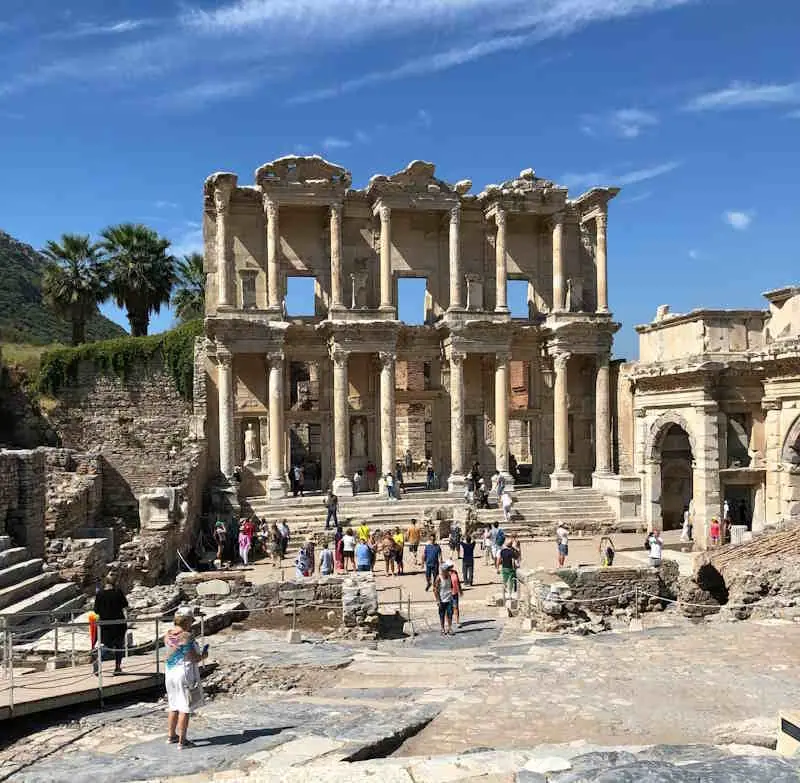
The iconic two-story facade — a library of up to 12,000 scrolls built over its founder's tomb.

Frescoed Roman mansions with mosaics and central heating — the domestic world of the first Christians.
Where Paul reasoned for three months — the evidence for the Jewish community of Ephesus.

Paul's daily lecture hall for two years — "so that all they in Asia heard the word of the Lord."

The ichthys wheel and carved crosses — the sign-language of the first Christians, still in the pavement.
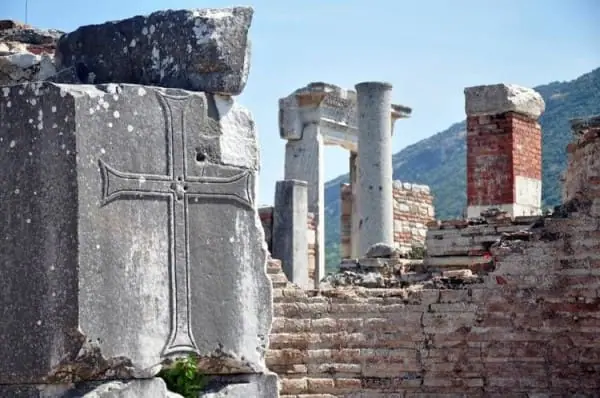
The council church of 431, where Mary was proclaimed Theotokos — the first church dedicated to her.

The mountainside cave-church with one of the oldest known portraits of the Apostle Paul.
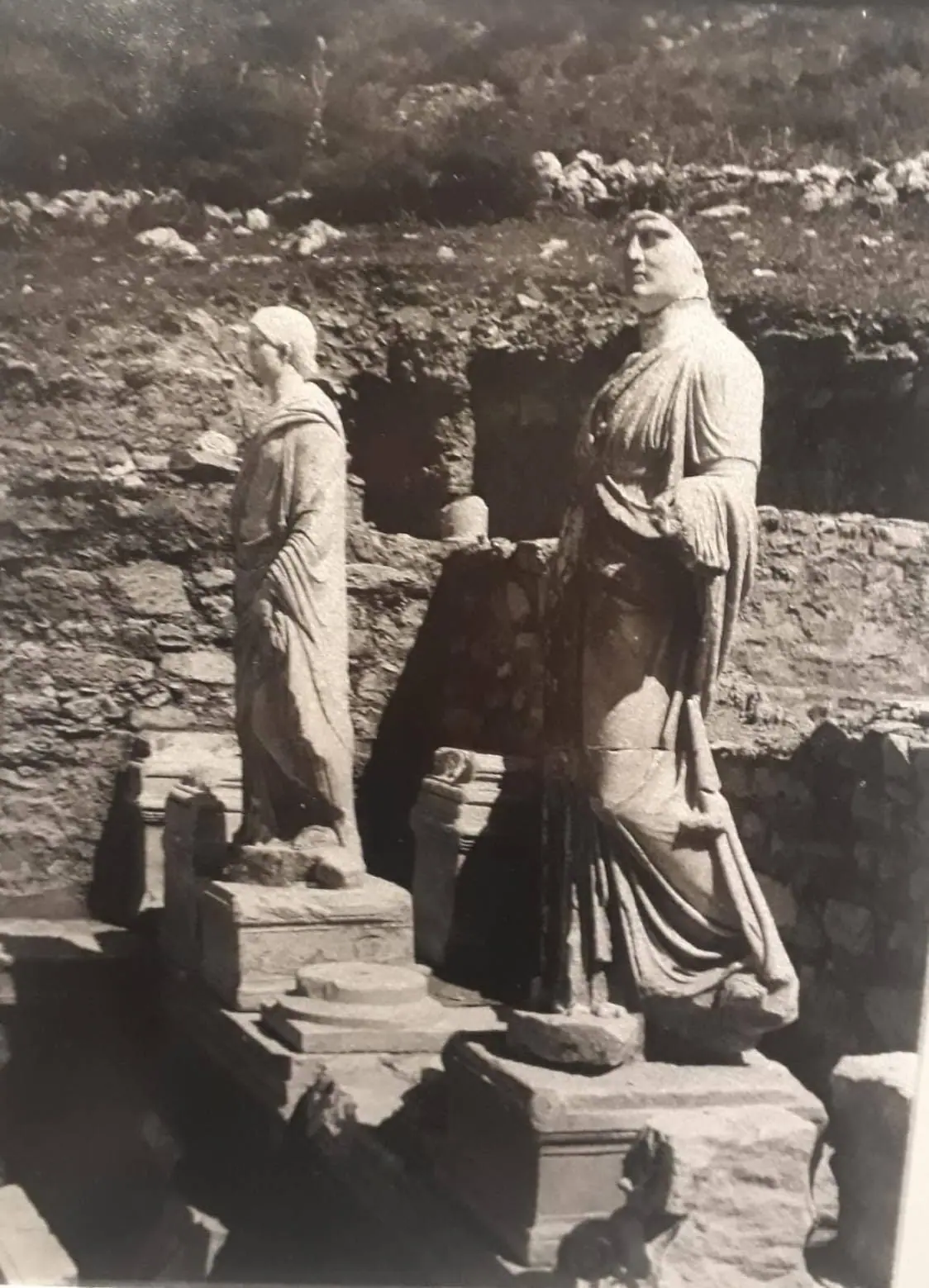
The circular monument long called the tomb of Luke the Evangelist — evidence and honest debate.
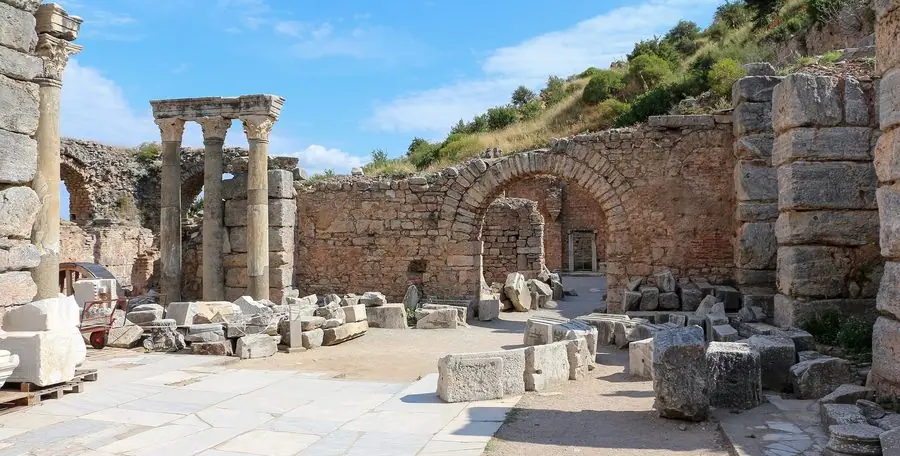
The central baths rebuilt by Scholastica, a Christian benefactress — her statue still sits at the door.
The holy mountain, the Evangelist's hill, the fallen Wonder and the villages and ports that carry the story onward.
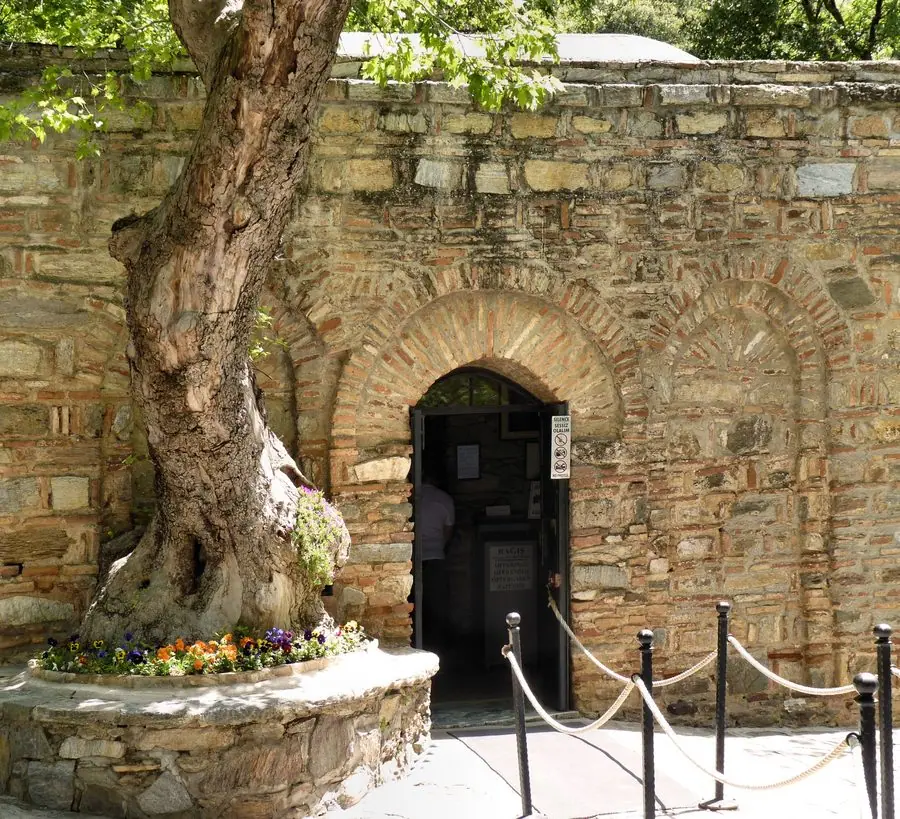
The mountain house venerated as Mary's last home, blessed by papal visits and shared by two faiths.
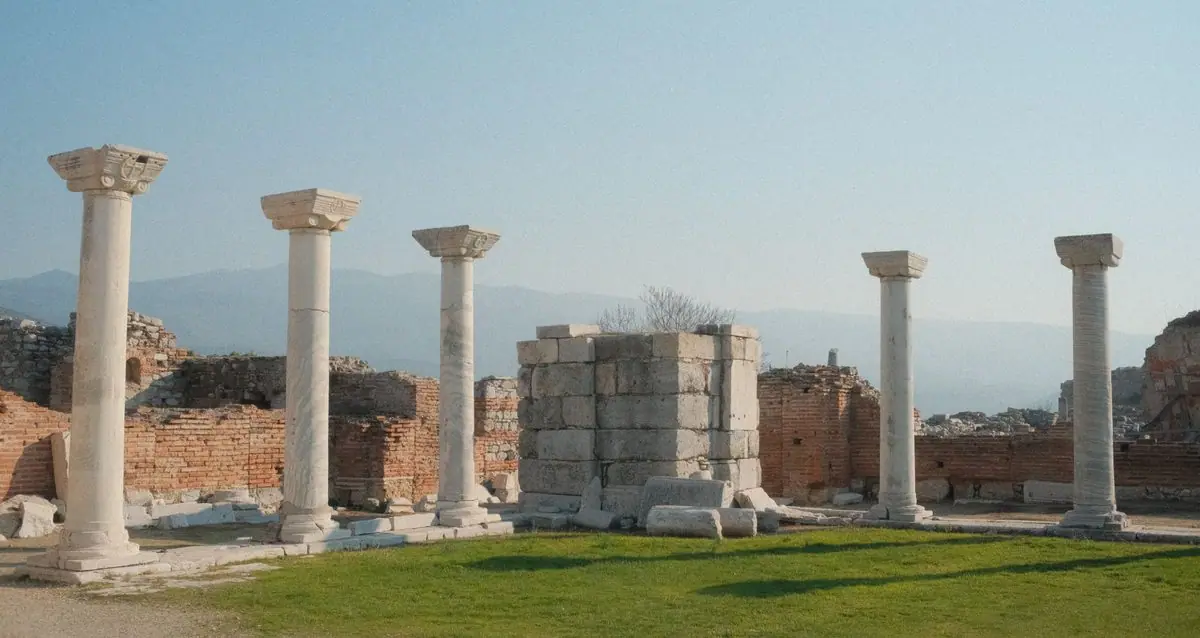
Justinian's great church over the tomb of Saint John — apostle, evangelist and author of Revelation.
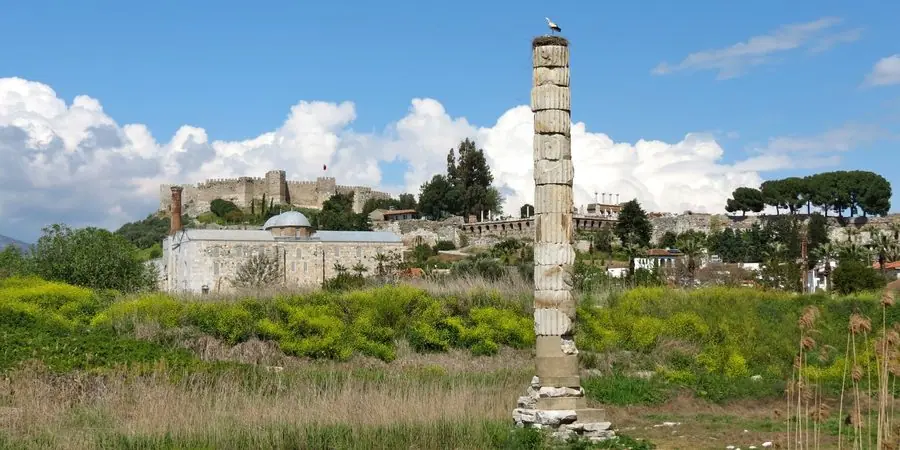
The Wonder of the World whose silversmiths rose against Paul — one column stands today.
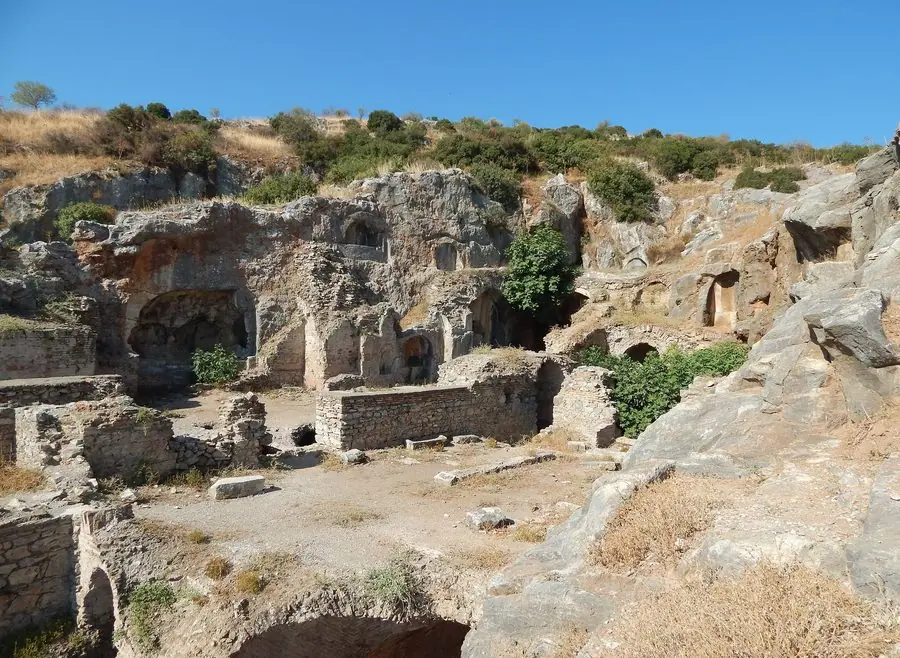
The cave-church of the seven young men who slept through two centuries of persecution.
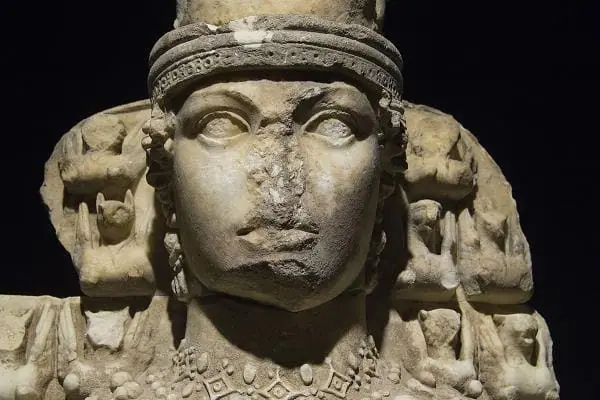
Where the finds went: the Artemis statues, Terrace House frescoes and the treasures of the temple.
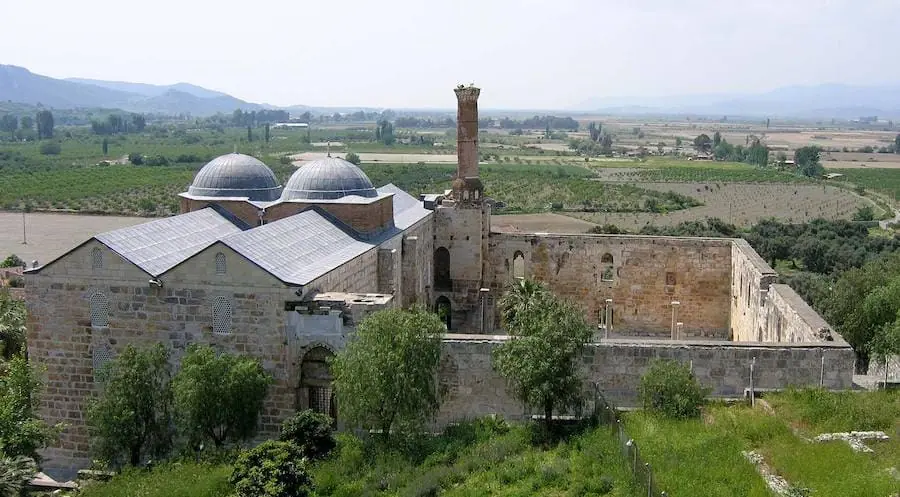
The 1375 mosque built from Ephesian marble, at the foot of Saint John's hill.
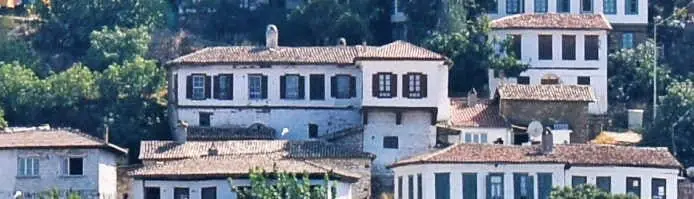
The hillside village of orchards, lace and fruit wine — with two lovely 19th-century churches.

The cruise gateway to Ephesus — Pigeon Island, the caravanserai, and the road the pilgrims take.
The Grand Theater is named in the riot of Acts 19. The commercial agora is where the silversmiths worked. The hall of Tyrannus, where Paul taught daily for two years, is named in Acts 19:9. The Temple of Artemis stands behind the whole conflict. The harbor and the road to Miletus carry Paul's arrivals and departures. Everything else on this page — Mary's house, St John's basilica, the Church of Mary — belongs to the Christian centuries that followed.
Three sets of ruins survive. The Church of Mary beside the harbor, where the Council of Ephesus met in AD 431 and which may be the first church in the world dedicated to the Virgin. The great Basilica of Saint John on Ayasuluk Hill, built by Justinian over the Evangelist's tomb. And the cave-church known as the Grotto of Saint Paul on the mountainside. The "church of Ephesus" of Revelation 2, however, means the congregation, not a building.
Not in the ancient city, which has been uninhabited for centuries. But the House of Virgin Mary on Bulbul Mountain is a living shrine with daily Mass and a resident chaplaincy, visited by three popes, and open to pilgrims of every faith.
Ephesus Ancient City, the House of Virgin Mary and the Basilica of Saint John form a triangle roughly 8 kilometers across. Mary's house is about 7 km up the mountain from the Ephesus lower gate; the basilica is 3 km the other way, above Selcuk. There is no walking route between them and no useful public transport, which is why most independent visitors see only one.
It is a tradition, not a documented fact, and we say so on the tour. It rests on Jesus entrusting Mary to John from the cross (John 19:26–27), on John's strong association with Ephesus, and on the visions of Anne Catherine Emmerich, which led searchers to the house in 1891. The Vatican has never ruled on it, though three popes have visited. Jerusalem holds a rival tradition. What is not in doubt is that people have prayed on that hillside for a very long time.
Every site on this page can be part of your private day. Tell us which ones call to you.
TÜRSAB license No. 15746No prepayment to inquireFree cancellationSkip-the-line entrance included