Did Jesus ever go to Ephesus? No. Nothing in the four Gospels places Jesus in Ephesus, or anywhere in the Roman province of Asia, and no early Christian source claims otherwise. His recorded ministry stayed within Galilee, Judea, Samaria and, on one brief northern detour, the coastal region of Tyre and Sidon — never further west than the Mediterranean coast of the Levant, and never onto a ship bound for Asia Minor.
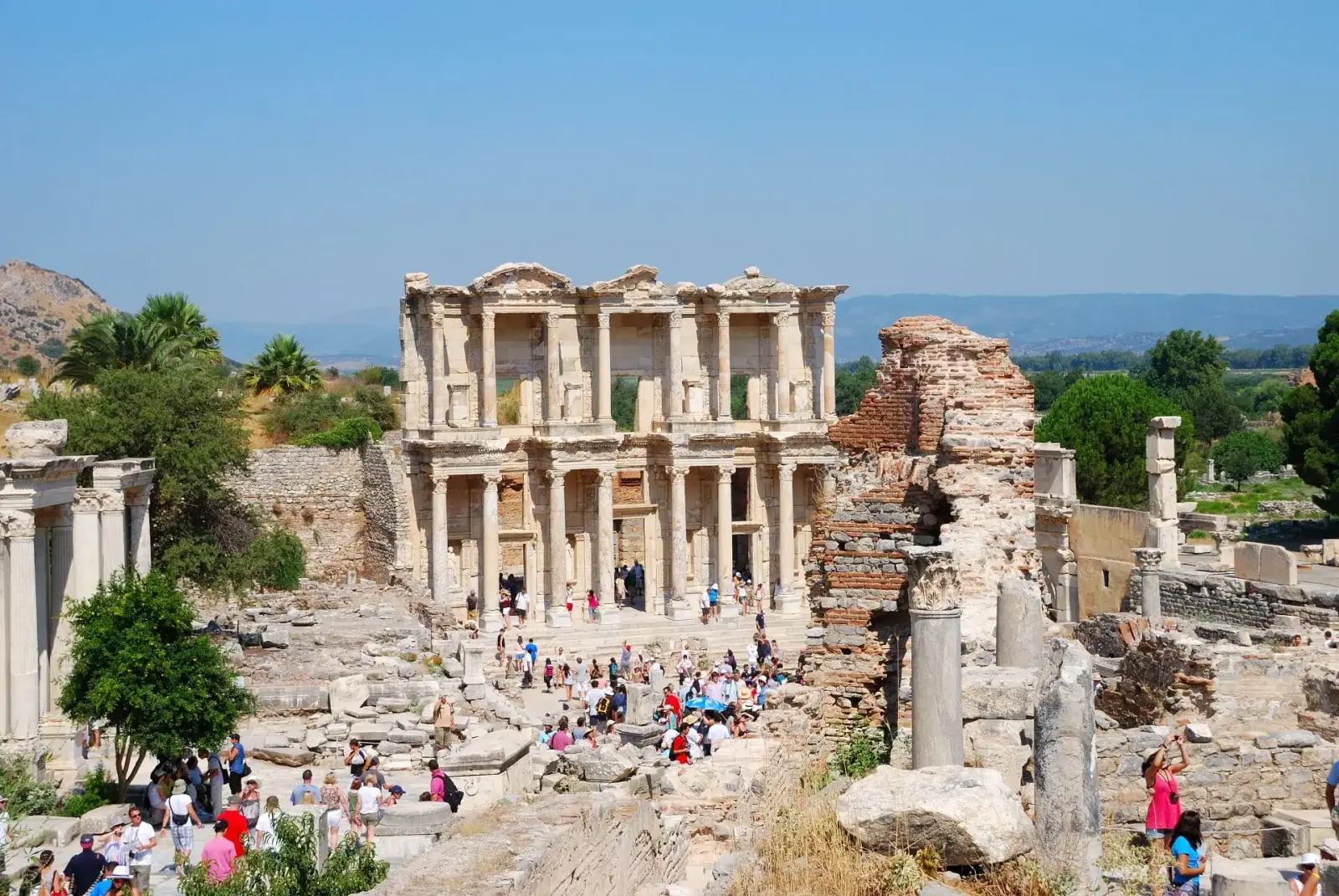
That is the fact. It is also, on its own, not a very satisfying answer — which is why the question keeps coming up in exactly the place you would expect it to: standing among these ruins, surrounded by a city so thoroughly woven into the New Testament that it feels like it must have hosted him too.
Where the Gospels actually take him
Map every journey recorded in Matthew, Mark, Luke and John and a fairly compact world emerges. Jesus is born in Bethlehem, raised in Nazareth, and spends most of his adult ministry circling the Sea of Galilee — Capernaum, Bethsaida, the hill country round about. He travels south to Jerusalem for the festivals, east across the Jordan on occasion, and south again through Samaria. The single exception, the furthest he is ever recorded from home, is a trip north into "the coasts of Tyre and Sidon" (Matthew 15:21) — modern Lebanon, still Levantine coastline, still a land journey. He never boards a ship. He never crosses the Aegean.
Ephesus, by contrast, sits on the far side of that sea — a major port of Roman Asia Minor, a week or more of sailing from the coast Jesus knew, in a Greek-speaking Gentile world his recorded ministry simply never reached. Geographically, the two never overlapped.
So why does the question keep coming up?
Because almost everyone else in his story eventually did come here. That is not a coincidence you need to invent — it is the plain record of the New Testament, and it explains the confusion better than any single verse could.

Paul made this his longest stop of all
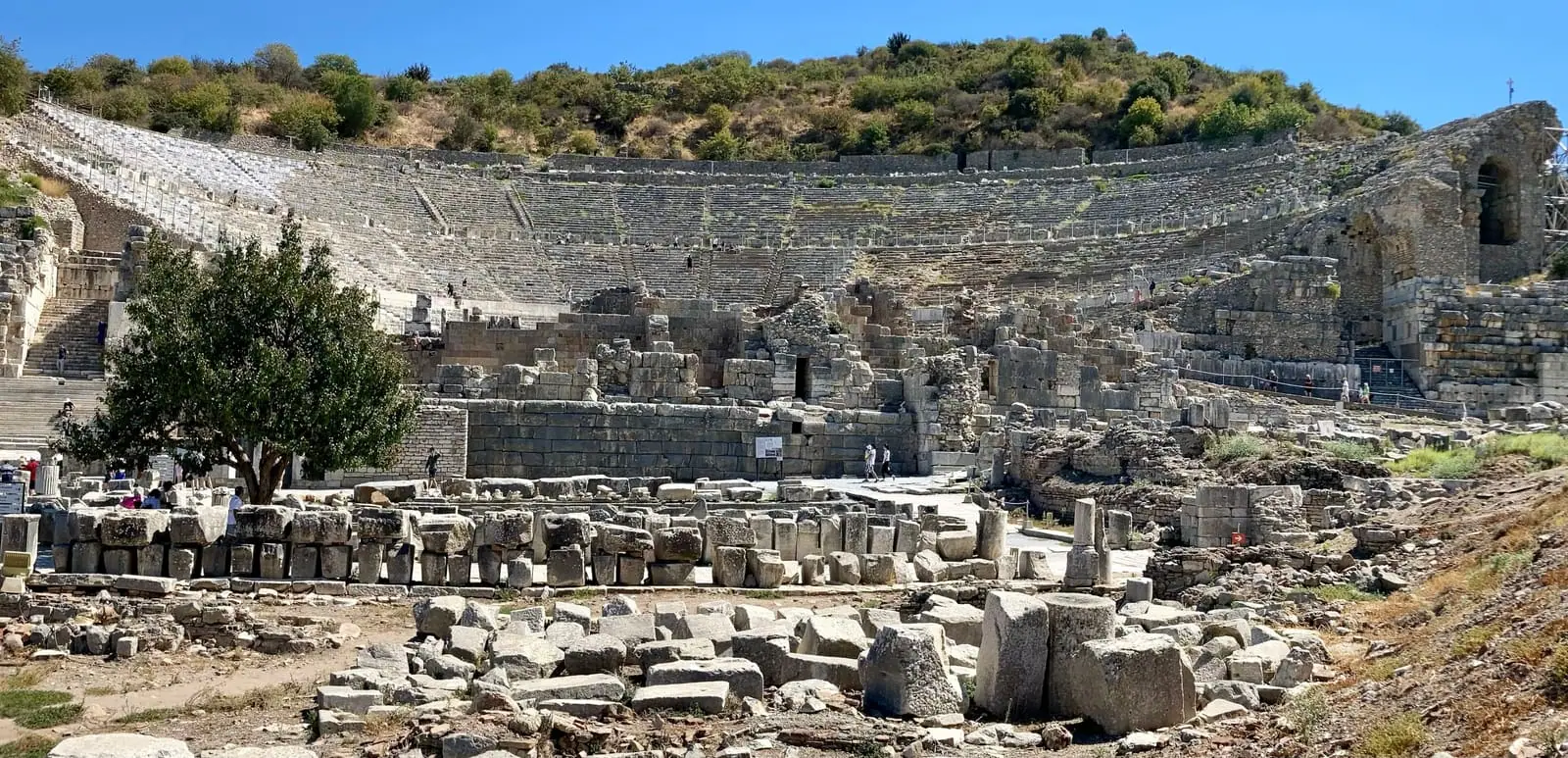
No city held the Apostle Paul longer than Ephesus — over two years teaching daily in the hall of Tyrannus, "so that all they which dwelt in Asia heard the word of the Lord Jesus" (Acts 19:10). He wrote 1 Corinthians from here, survived a riot in the Grand Theater, and gave the Ephesian elders the most tender farewell speech in the Book of Acts. If anyone made Jesus's teaching a resident of this city, it was Paul — in person, for years, not in passing.
John made it his home for the rest of his life
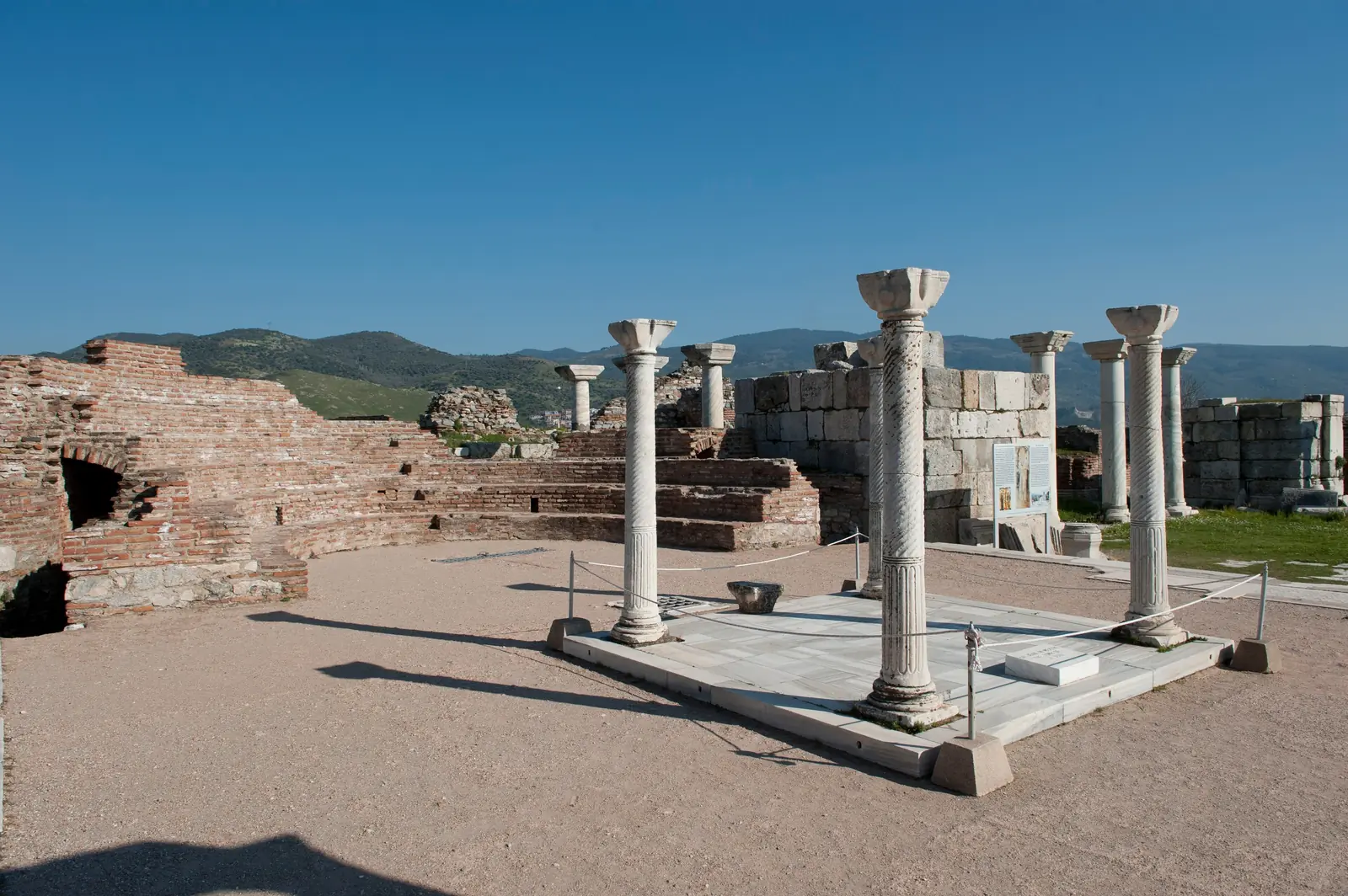
The disciple John's connection runs deeper still, and it begins at the cross itself. There, Jesus looked at his mother and the disciple he loved and said: "Woman, behold thy mother! ... And from that hour that disciple took her unto his own home" (John 19:26–27). The verse does not name the home's location — but the earliest and best-attested tradition of the Church places that home at Ephesus, where John is said to have written his Gospel, led the church for decades, and was eventually buried on the hill above the city.
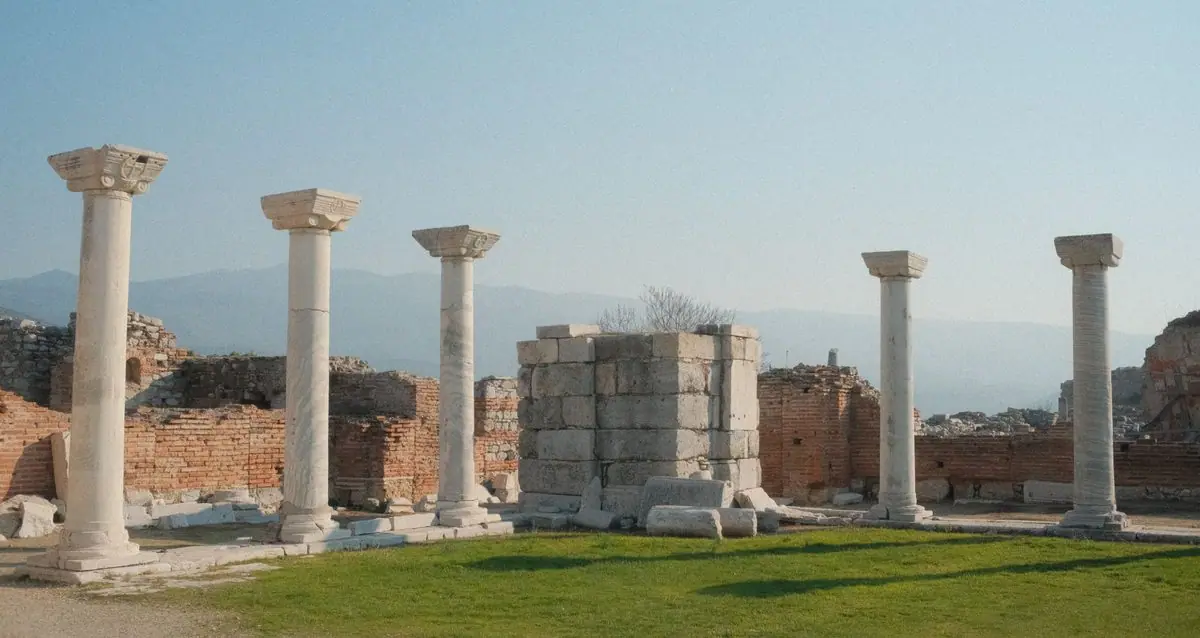
Jesus never crossed the Aegean. What he set in motion did — and it never really stopped.
And his mother, by that same verse
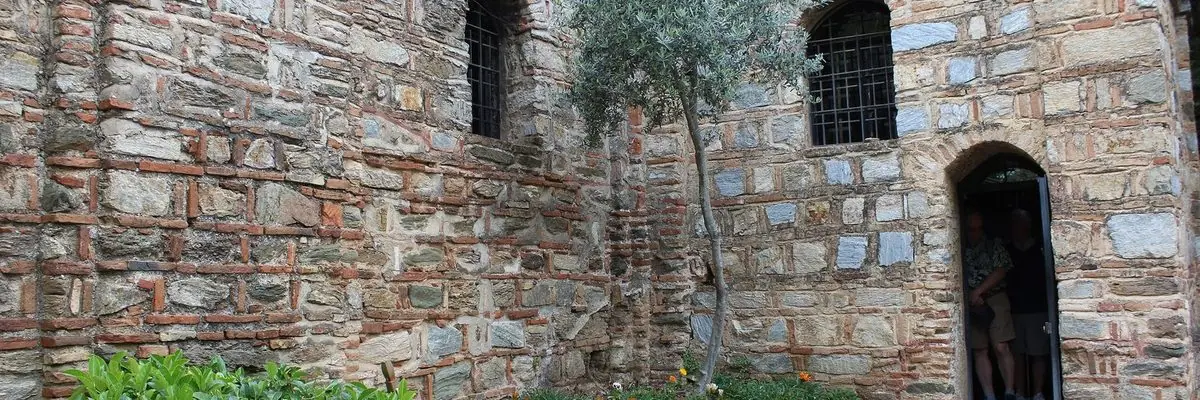
If John's later life belongs to Ephesus, Mary's question rides along with it. "John and Mary in Ephesus" is a careful, honest tradition rather than a documented fact — Jerusalem keeps a rival claim of its own — but the house identified on Bulbul Mountain in 1891, the basilica the Council of 431 met in already dedicated to her, and three papal visits since have all pointed the same direction. We tell guests exactly what we tell you here: the verse is certain, the geography is tradition, and either way the two sites — the House of Virgin Mary and John's basilica — sit a short drive apart above the ruins.
Was anyone else from his circle here?
A few, in fact. Paul left Aquila and Priscilla in Ephesus, where they quietly corrected the preaching of the eloquent Apollos. Timothy, Paul's protégé, was stationed here as the church's young bishop — "as I besought thee to abide still at Ephesus" (1 Timothy 1:3). Even the physician Luke, traditionally credited with Acts, has a slim but genuine local connection. None of them are Jesus. All of them are people Jesus taught directly, sent out, or wrote to through Paul — which is really the honest shape of the whole answer: not his footsteps, but theirs, carrying his.
Why does a city Jesus never visited matter so much to Christianity?
Because of what arrived here instead of him. Two Ecumenical Councils met in Ephesus and settled core questions of Christian belief. A Gospel was very possibly written here. An apostle is buried here. And when the risen Christ dictates letters to seven churches in the Book of Revelation, Ephesus is addressed first — "unto the angel of the church of Ephesus write" — praised for its labor, and warned not to lose its "first love" (Revelation 2:1–7). A city can end up near the center of a faith's early story without its founder ever having stood in it. Ephesus is the clearest example there is.
Standing where the story actually arrived
We understand the small letdown in the honest answer, and we do not try to talk anyone out of it. But we would rather guests know the true shape of the story than a tidier, invented one. Jesus never walked these marble streets. His mother, by strong tradition, did. His closest disciple lived and died a short walk from where you would be standing. And the man who, more than anyone besides the apostles themselves, carried Jesus's teaching into the wider world spent longer here than in any other city he ever visited. That is not a lesser story than "Jesus came too." In some ways, walking the ground his message reached without him is the more remarkable one.
Sources & further reading
- Matthew 15:21–28 (KJV) — Bible Gateway — the furthest journey the Gospels record — north to Tyre and Sidon
- John 19:25–27 (KJV) — Bible Gateway — "behold thy mother" — the verse the Ephesus tradition of John and Mary rests on
- Britannica: Jesus — the geography of his recorded ministry